
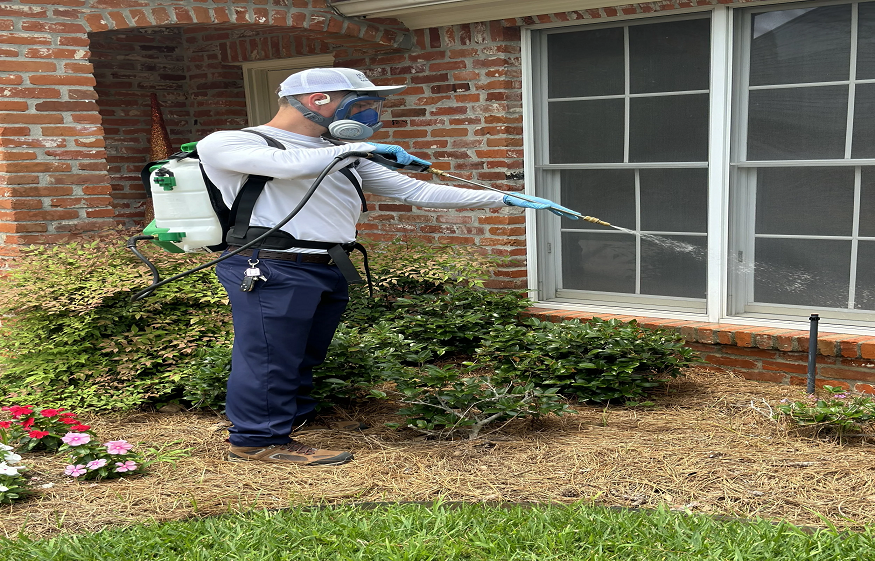
St. Louis-style houses, like those in Webster Groves and Clayton, are part of the charm of neighborhoods like these: Tudor casas. However, those identical classic half-timbered exteriors and intricate rooflines that define these homes also create ideal conditions for carpenter ants to infest.
The St. Louis’ humid climate, combined with the many wood-to-wood joints found in Tudor architecture, makes these homes especially vulnerable to particular pest species, as many homeowners discover only after they have sustained significant damage. If you are now seeing sawdust heaps near the beams from the wood and hearing the weakened rustling along the walls, schedule an inspection with Ferguson exterminators before the condition worsens.
Moisture Issues That Attract Carpenter Ants in St. Louis Tudors
In St. Louis, where the average annual rainfall is about 42 inches, that moisture gravitates toward the decorative woodwork that adorns Tudor homes. It is not just looks, because those exposed timber beams are often exposed to outside moisture after the heavy spring storms that roll through the region. Although carpenter ants do not consume wood, they bore into wet, decomposed timber to construct their dwellings.
Read More : Brown Recluse and Black Widow: What Homeowners in Elgin Should Know
Tudor homes with inferior gutter systems or dilapidated flashing around those ornamental gables create the exact wet environments these bugs crave. Carpenter ants swoop in and start making nests in areas where moisture has penetrated, destroying the wood in your decorative exterior beams or window frames.
Hidden Entry Points Carpenter Ants Love in Tudor Homes
- Decorative timber intersections: Small gaps appear over time at the point where half-timbering meets stucco [shown] or brick, as materials expand and contract with Missouri’s temperature swings.
- Ornamental brackets and corbels: These architectural details often have unsealed edges where wood meets masonry.
- Multi-level rooflines: The predominant roof style for Tudor houses is highly articulated with valleys and dormers, where concealed spaces are created
- Window and door trim: The ornamental woodwork that surrounds Tudor windows creates direct connections between the exterior and interior walls.
- Foundation transitions: Settling here, where brick or stone foundations meet the wooden frames
Areas of the Home Most at Risk
- Attic spaces beneath gabled roofs: St. Louis humidity and poor ventilation are reasonable breeding grounds below
- Exposed ceiling beams: Especially in lounges or dining rooms, where decorative timbers are really structural
- Bay window structures: There are annoying framing systems underneath these features that have a penchant for holding moisture
- Covered porches and attached garages: Common water intrusion points are where the roof structures tie into the main house.
- Basement rim joists: Where the wooden frame of your home rests on the foundation, condensation accumulates
How Tudor Construction Makes Detection Harder
Those stunning elements that characterize Tudor homes conspire against early detection. What emerges against those decorative plaster walls is not what is going on inside the actual structure, which means that after you see carpenter ant frass (sawdust), they have most likely been there for months.
Read More : Long-Term Pest Control Contracts vs. One-Time Services in Indianapolis
Tudor framing creates multiple wall cavities where ants can move about.
Combine that with the majority of St. Louis Tudors built in the 1920s and 1930s, and you’re talking about old wood that’s had decades to develop weak spots.
When to Bring in a Professional
Carpenter ants have colonies numbering in the tens of thousands, up to 50,000 workers, depending on age, and they are a major wood-damaging insect in Missouri, according to the Missouri Department of Conservation. Well, that big black ant (roughly ½ inch long) inside your Tudor home during the spring months is your clue.
Pointe Pest Control focuses on homes in the St. Louis area and understands the unique hurdles that Tudor architecture presents. They account for hidden wall cavities and complex framing in their detection methods and also identify moisture issues that need to be addressed to prevent new infestations. The trick is to move fast. Carpenter ants are slow but persistent, and once you have a small satellite colony in your decorative beams, you can end up with thousands of dollars in structural repair.